Are you torn between a few great streets in Bloomfield Township but not sure which neighborhood truly fits your life? You’re not alone. When school zones, commute times, taxes, and amenities all matter, the details can feel overwhelming. This guide gives you a clear, step-by-step way to compare neighborhoods and move forward with confidence. Let’s dive in.
Bloomfield basics and how the township is organized
Bloomfield Township sits in Oakland County and includes a wide mix of neighborhoods, lot sizes, and housing styles. Locals sometimes say “Bloomfield” to describe both the township and the adjacent city of Bloomfield Hills, so it helps to confirm which jurisdiction an address belongs to before you lock in assumptions. The township’s “Living in Bloomfield” section is a helpful orientation tool for major roads and quick facts you will use in your search. You can also use the township’s official map library to check zoning layers, school-district overlays, and safety-path routes at the street level.
Match neighborhood types to your lifestyle
Bloomfield Township includes several distinct neighborhood patterns. Use the descriptions below as a starting point, then confirm specifics on the township maps and with property records.
Village and historic settings
Neighborhoods with a traditional, village-like feel offer tree-lined streets and classic architecture on modestly sized lots compared with estate areas. Buyers often choose these pockets for their established character and proximity to nearby services. Prices in these enclaves often run above the township median, so verify recent solds on the exact streets you like.
Golf, lake, and club-adjacent areas
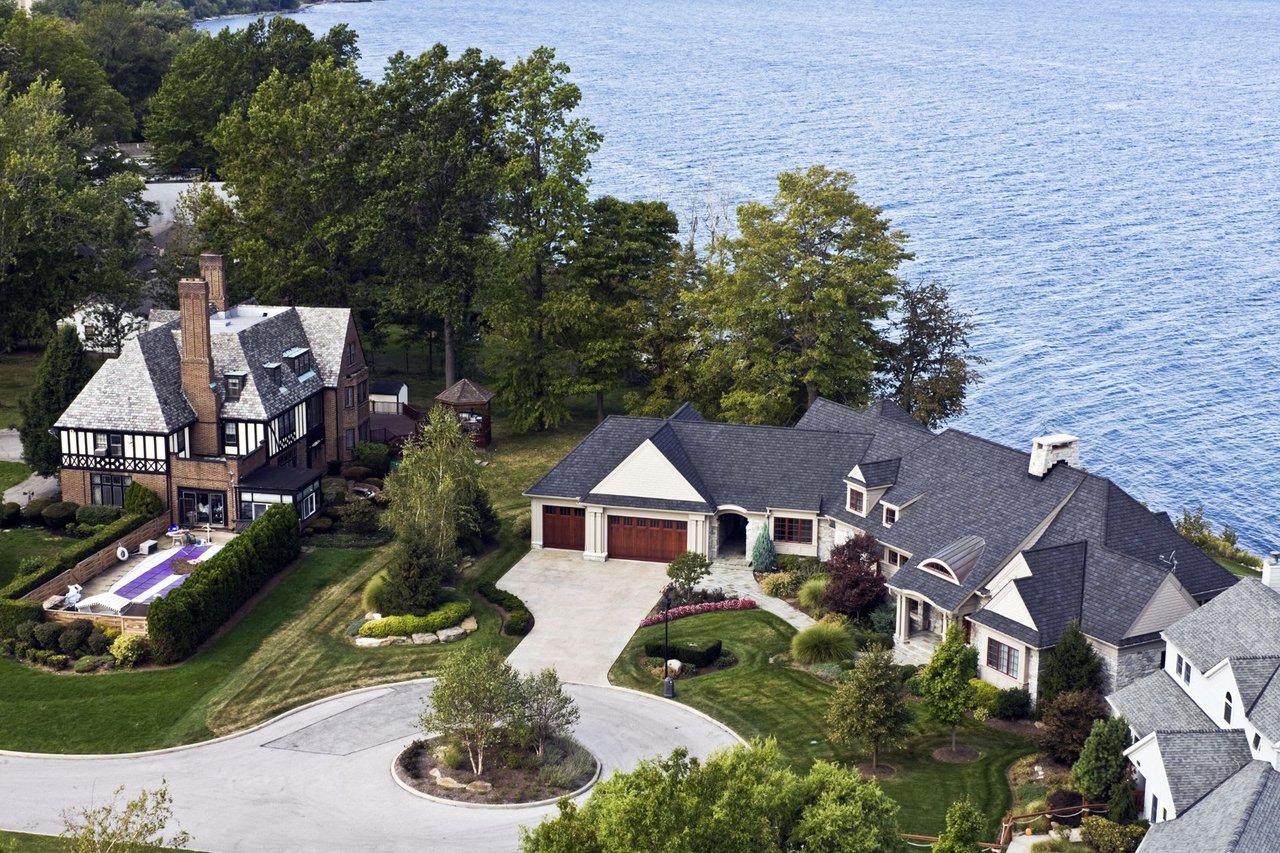
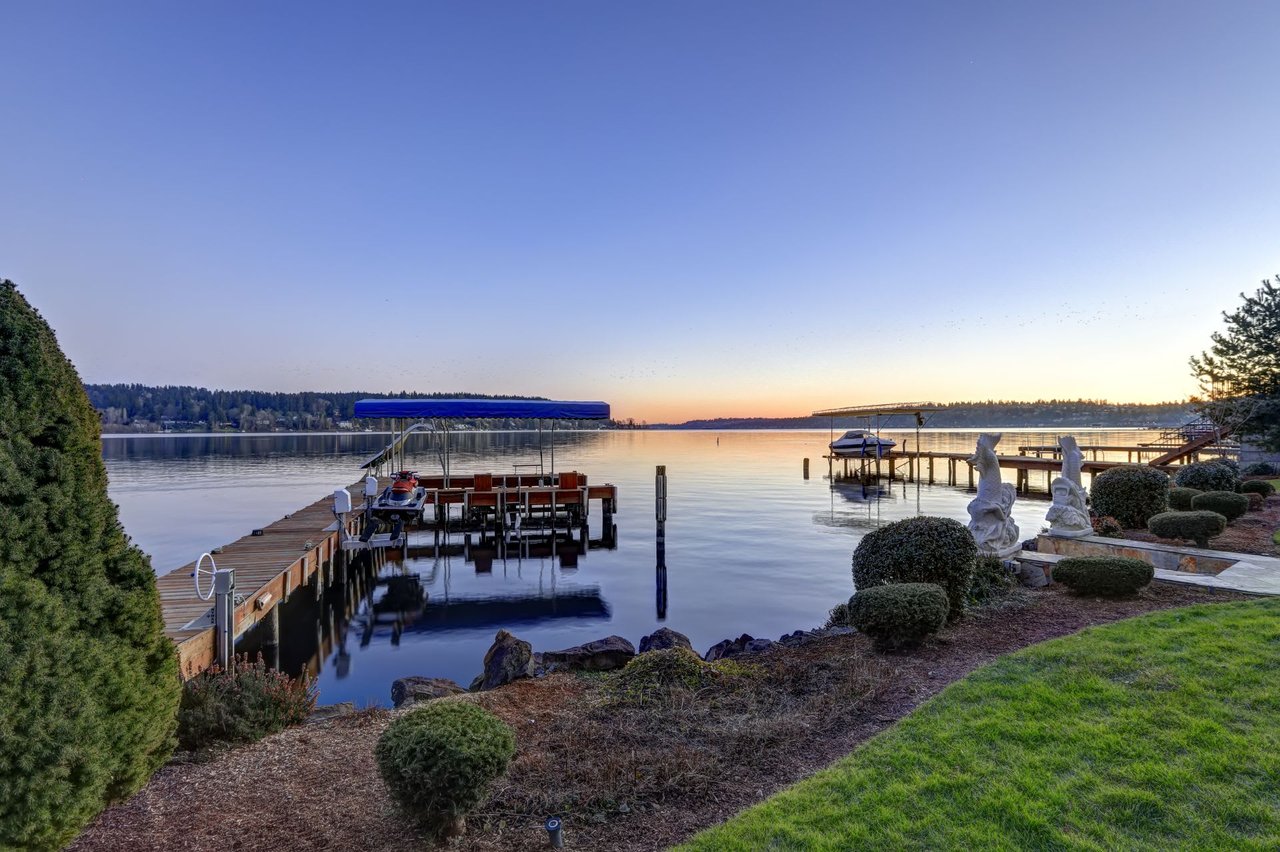
Golf course communities and lake-adjacent streets include a mix of townhomes, condos, and custom single-family homes. These areas may have association documents and unique rules for amenities like lake access or private club facilities. Always verify any lake rights, membership requirements, or guest policies with the listing and association documents before you decide.
Estate-scale subdivisions
Large-lot neighborhoods like Lone Pine, Rolling Hills, and similar luxury enclaves draw move-up buyers who want more space and privacy. Expect 0.5–1 acre or larger lots, newer or renovated homes, and higher price tiers. Use the township’s planning and zoning materials to understand where estate-size lots are concentrated and how local zoning shapes future development.
Mixed, mid-century, and infill pockets
Across the township you will also find ranch homes, mid-century designs, and new infill among established streets. Values can change quickly from block to block. Focus on street-level solds and be ready to compare lot size, condition, and nearby amenities rather than relying only on broad township averages.
School zones: how to verify for any address
Four public school districts serve addresses in Bloomfield Township: Bloomfield Hills Schools, Birmingham Public Schools, Pontiac Public Schools, and Avondale Public Schools. Boundaries can shift by a single street, so verify the school tied to any specific property.
When you compare school information online, use multiple sources. The GreatSchools methodology explains how it blends test scores, growth, and other factors, which makes it a useful comparator. Michigan’s official reporting via MI School Data provides detailed assessment and growth data. Pair those sources with a school visit and a conversation with district enrollment staff about programs that matter to you, such as IB, AP, preschool, or special education services.
Commute and daily logistics
Commute time often decides between two great streets. Use Google Maps’ “Depart at” feature to model real-world drive times at the hours you expect to travel. This helps you compare routes that use Telegraph Road, Woodward Avenue, Square Lake Road, and Maple Road, and to understand peak-hour patterns before you make an offer. For a quick how-to on setting different departure times, see this guide to checking traffic on Google Maps at different times.
As you test commutes, also drive the streets at school drop-off and evening hours. Note sidewalks, safety paths, crosswalks, and typical traffic flow so you understand daily logistics beyond the map.
Use maps and sold data to build a short list
You can create a strong short list in a few focused sessions if you combine public tools with agent insights.
- Start with the school filter. Draw your target area using the school-district overlay. Confirm any address with the district boundary lookup.
- Narrow by commute. Use Google’s “Depart at” drives to define your realistic commute polygon and exclude streets that push you over your target time window.
- Apply property filters. Set price, home type, bedrooms, lot size, and year built. Save the search and alerts so you see new listings fast.
- Pull parcel records. For any contender, use the Oakland County Property Gateway to confirm sales history, legal description, assessed value, and any recorded easements or special assessments. You can access the gateway via the Property Gateway dataset page.
- Compare solds. Aim for 6–12 months of nearby closed sales on truly comparable homes. Adjust for lot size, condition, basement finish, pools, lake access, and renovations. If inventory is thin, expand to 12–24 months.
- Ask for an MLS-grade CMA. Real-time MLS access in Southeast Michigan runs through Realcomp, which powers the public portal MoveInMichigan. Your agent can pull private MLS fields, pending activity, and agent-only notes that sharpen pricing and negotiation strategy. Learn more about Realcomp access here: Realcomp II overview.
- Walk it. Visit your top streets at different times, talk with the association if applicable, and confirm that what you see aligns with the listing photos and sold comps.
Amenities that often tip the scales
Proximity to anchor amenities can add daily value and influence long-term demand.
- Cultural and education: The Cranbrook Educational Community offers museums, events, and schools, and it is a frequent draw for buyers who want easy access to arts and enrichment.
- Recreation: Country clubs, golf, and lakes shape micro-markets in several pockets. If a home advertises lake privileges or is adjacent to a private club, verify what is included and what requires separate membership.
- Parks, paths, and library: Check township park layers and safety-path routes on the Bloomfield Township maps to see how easily you can walk or bike to community spaces you plan to use often.
Taxes, assessments, and HOAs
Property taxes vary by taxable value and by the combined millage rates set by the township, county, and school district. To budget accurately, review the last two years of tax statements for each property and confirm the current millage schedule for that street. The township provides an overview of millage components and how they are calculated at the Treasurer’s millage information page.
If a neighborhood has an association, ask for the full HOA document set early. That packet should clarify fees, common-area responsibilities, rules for lake use or club access, architectural guidelines, and any special assessments.
A reproducible 7-step checklist
Use this quick checklist to compare Bloomfield Township neighborhoods with confidence.
- Confirm the school for the exact address using the township map layer and the district’s boundary lookup.
- Model your commute with Google’s “Depart at” feature for your real travel times, then draw that polygon in your saved search.
- Use a draw tool to include the streets you prefer. Filter by home type, lot size, bedrooms, and price.
- Toggle Sold and review 6–12 months of comps. Capture the list for your agent to turn into an MLS-grade CMA.
- Pull the Oakland County Property Gateway parcel report and recent tax bills to verify lot lines, easements, and assessments.
- Visit schools and candidate streets at peak times. Note sidewalks, safety paths, and traffic flow.
- Request MLS-only disclosures, neighborhood packets, and HOA documents to validate assumptions before you write an offer.
Ready to compare specific streets and tour homes at the right pace? Reach out to Tom Holzer Homes for a tailored shortlist, on-the-ground insights, and a step-by-step plan from search to close.
FAQs
How do I confirm if a Bloomfield Township address is in a specific school district?
- Use the township’s school-district map layer, then verify the address on the district’s boundary lookup to confirm the assigned school.
What are typical price patterns by neighborhood type in Bloomfield Township, MI?
- Village-style and estate neighborhoods often trade above the township median, while mixed mid-century or infill pockets vary by street; rely on recent, nearby solds for accuracy.
How can I test real commute times before I buy in Bloomfield Township, MI?
- Use Google Maps’ “Depart at” tool to model peak-hour drives on routes like Telegraph and Woodward, then focus your search inside your preferred time window.
Do Bloomfield Township neighborhoods have sidewalks or safety paths?
- Many streets connect through a township safety-path network; confirm the specific routes and crosswalks for your target streets on the official map layers.
How do I verify lake access or country club privileges for a home in Bloomfield Township, MI?
- Ask for association documents and membership details in writing, and have your agent confirm access rules, fees, and any transfer requirements before you commit.
Are property taxes the same across Bloomfield Township, MI?
- Taxes differ based on taxable value and the combined millage for the exact street and school district; review recent tax bills and current millage schedules for each property.