Choosing between a lake home and an off-lake home in Bloomfield Township is not just about the view. It is about how you want to live, what kind of upkeep feels reasonable, and how much of your budget you want tied to direct water access. If you are weighing both options, this guide will help you understand the real trade-offs in Bloomfield Township so you can make a smart, confident move. Let’s dive in.
Why this choice matters in Bloomfield Township
Bloomfield Township has a very specific housing landscape. According to the township, it includes 19 lakes and numerous ponds, and all of them are private with no public boating or swimming access.
That detail shapes the decision in a big way. In a market where true waterfront is limited, lake homes stand apart from the broader supply of mature single-family homes found throughout the township.
The township’s housing stock is also largely built out. Its planning documents note that most homes were built in the 1950s and 1960s, more than half of the land base is single-family residential, and there are more than 100 homeowner associations.
That means many off-lake homes are in established neighborhoods with mature trees, long-standing design standards, and a more traditional suburban feel. Lakefront homes, by contrast, are a smaller and much more specialized part of the market.
What lakefront, lake-access, and off-lake mean
Lakefront homes
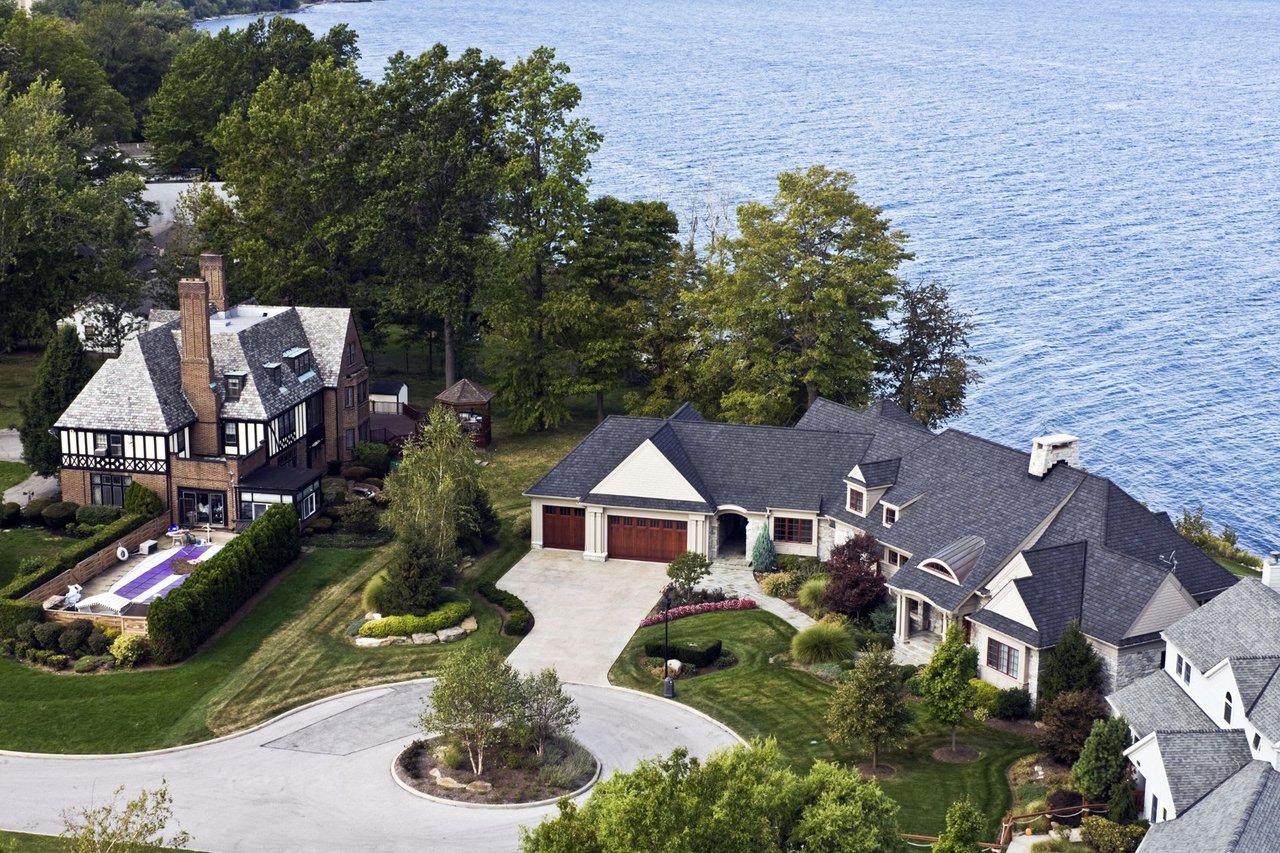
In Bloomfield Township, a lakefront home usually means the parcel directly borders the lake. Township guidance says a riparian owner is someone whose parcel borders natural water, and riparian rights include access and reasonable use of the water.
This is the clearest form of water ownership locally. If direct shoreline access is your top priority, this is the category that usually delivers it.
Lake-access homes
Because Bloomfield Township’s lakes are private and not open for public access, lake-access homes work differently here than in some other markets. In most cases, lake access is tied to deeded rights or an association-based arrangement rather than any public launch or beach.
That makes it important to verify exactly what comes with the property. Not all access rights are equal, and the details can affect both your lifestyle and future resale.
Off-lake homes
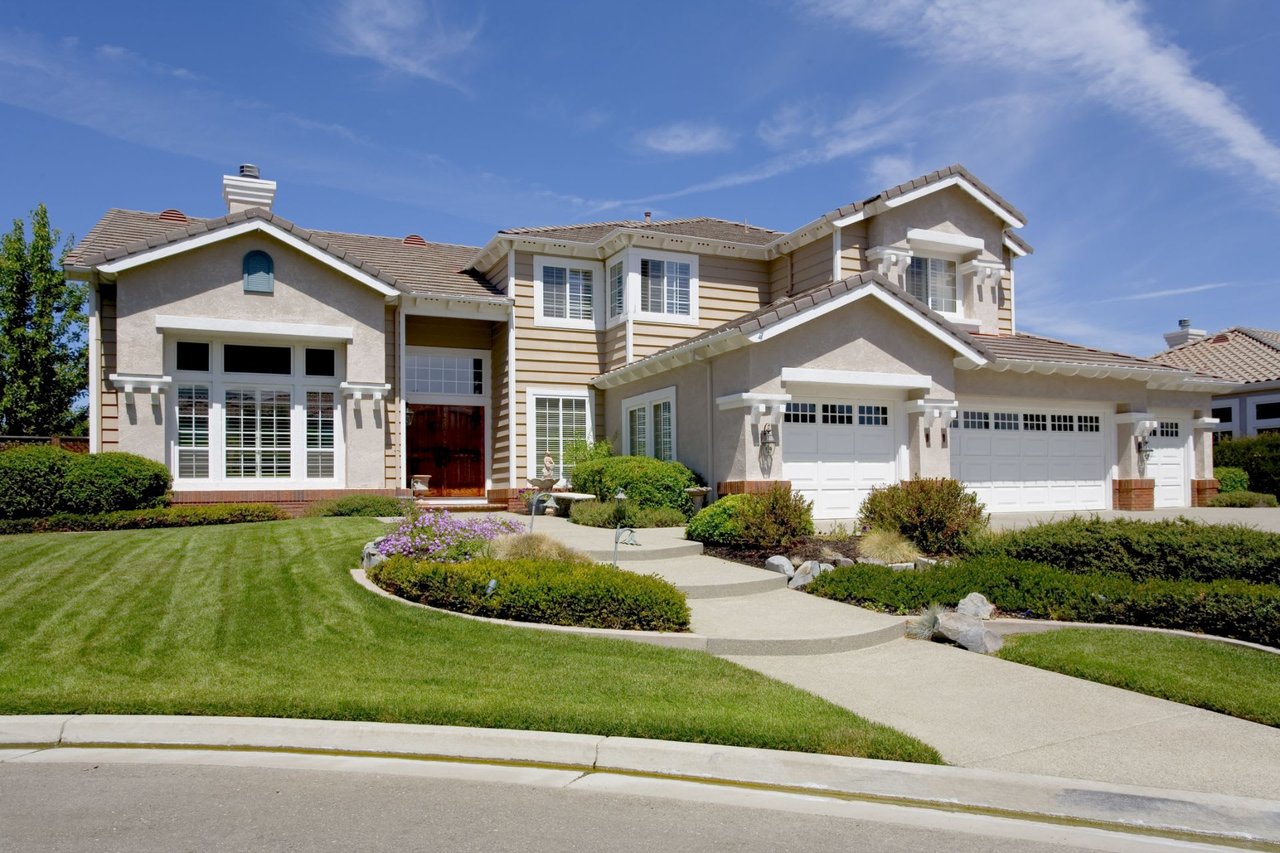
Off-lake homes do not typically include shoreline rights unless there is a separate deeded or association-based access arrangement. For many buyers, that means a simpler ownership experience with fewer water-related rules to manage.
In Bloomfield Township, off-lake homes are often competing on neighborhood appeal, lot size, updates, tree cover, and overall condition rather than water frontage. That can make them a better fit if you want flexibility over specialization.
Lake homes offer a unique lifestyle
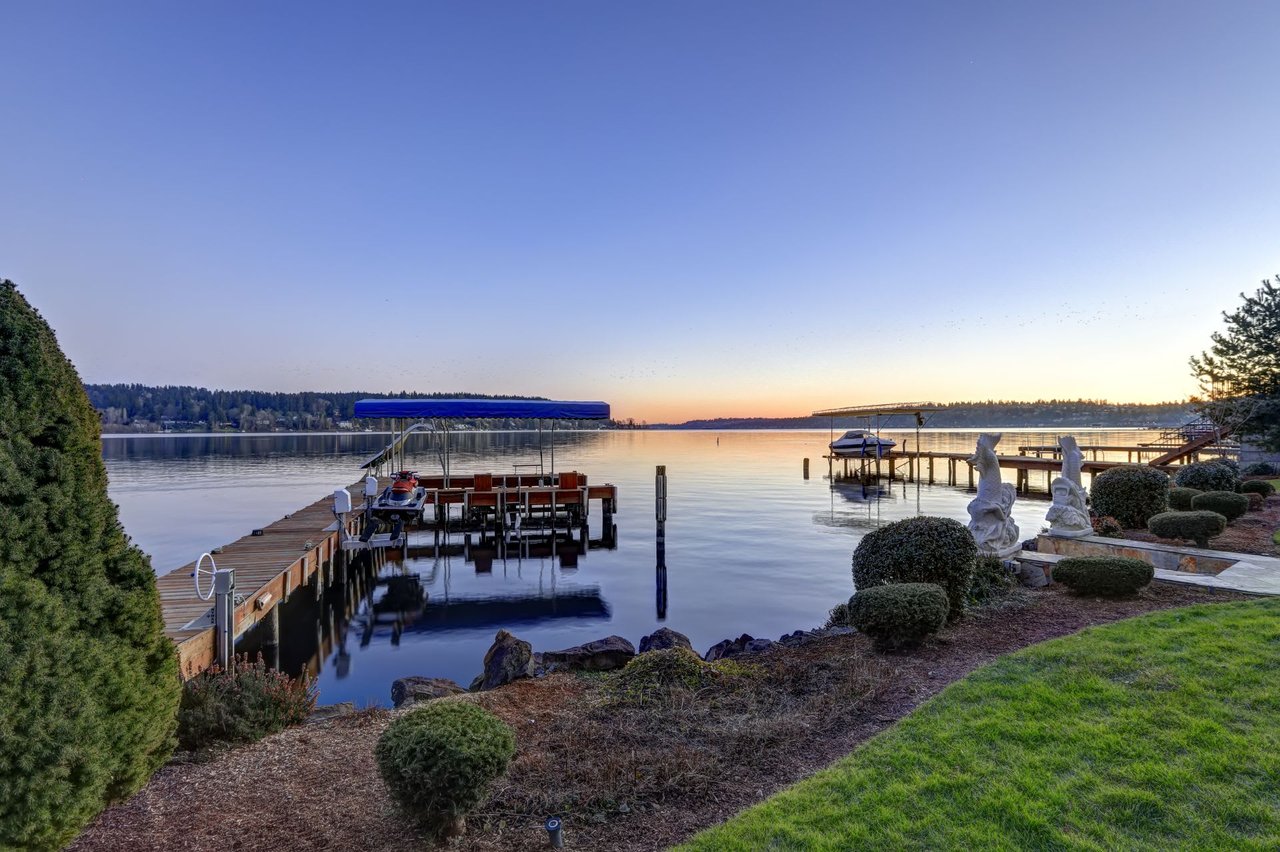
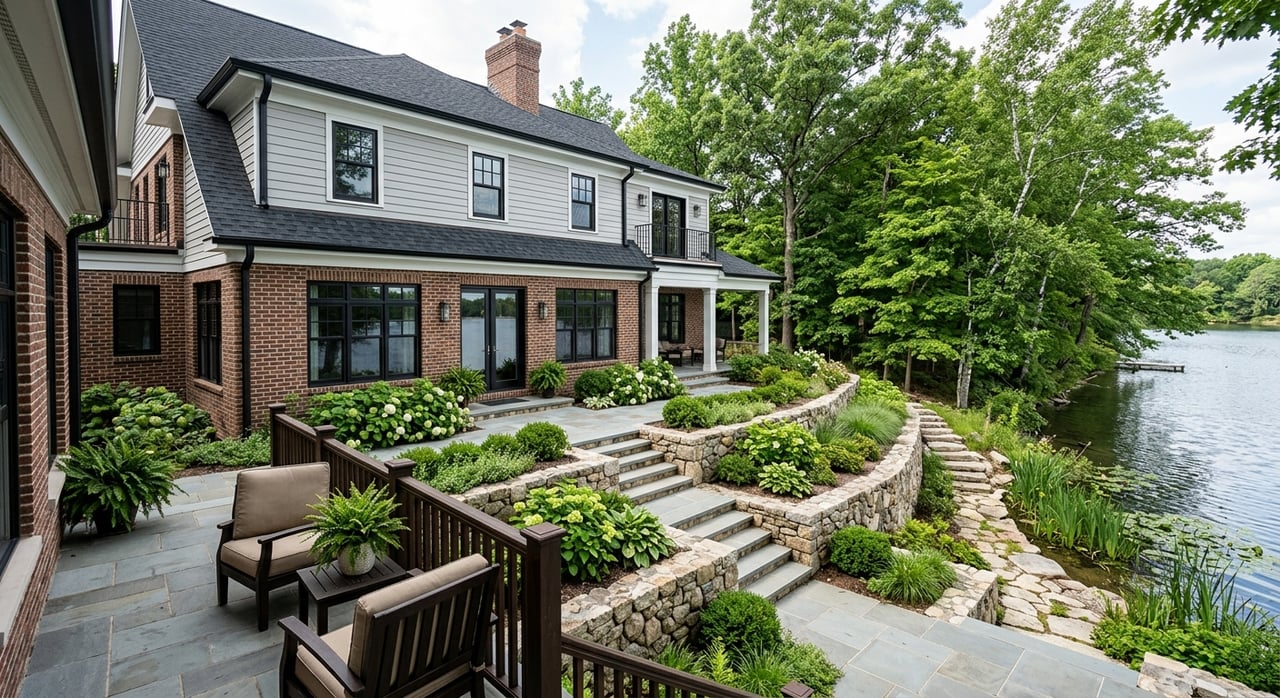
The biggest draw of a lake home is easy to understand. You are buying direct connection to the water, added privacy, and a setting that feels different from a standard neighborhood lot.
Bloomfield Township’s natural-features planning documents note that waterfront ownership carries added value because of direct access to the water. Many of these homes were originally cottages or cabins on smaller lots and were later converted into full-time residences.
For some buyers, that character is part of the appeal. A winding street, a larger lot in the western part of the township, or a home tucked near the shoreline can create a living experience that feels more secluded and distinctive.
Lake homes also bring more responsibility
The lifestyle appeal is real, but so is the upkeep. When your property meets the water, you take on a level of stewardship that off-lake owners often avoid.
Bloomfield Township tells riparian owners to maintain a 25-foot no-fertilizer buffer next to the water. The Michigan Department of Natural Resources also notes that natural shorelines support healthier lakes, help fish and wildlife, and can reduce goose pressure.
In practical terms, that may mean rethinking the classic manicured lawn-to-the-water’s-edge look. If you want a dock, hoist, or shoreline improvement, state permitting may also come into play.
Michigan EGLE says the joint permit process can apply to work where land meets water, including inland lakes, wetlands, and floodplains. EGLE also states that permanent docks and boat hoists on inland waters require permits.
Off-lake homes are usually easier to maintain
If your goal is lower-maintenance ownership, off-lake living often has the edge. You generally do not have a shoreline buffer to manage, and you usually do not need to think about dock permitting or water-edge landscaping rules.
That does not mean there are no restrictions. Bloomfield Township reminds property owners to review subdivision deeds, restrictions, and association comments before doing exterior work, so neighborhood rules can still matter.
Still, for many buyers, the off-lake option feels more straightforward. You can focus on the home, the lot, and the neighborhood without the added layer of shoreline oversight.
Floodplains and wetlands need extra attention
Not every lake home is in a flood zone, but waterfront and low-lying lots deserve careful due diligence. Bloomfield Township participates in the National Flood Insurance Program and notes that some floodplain alterations require permits.
EGLE also says land and water interface projects may involve floodplain, wetland, and inland-lake review. If you are considering a lakefront property, this is one of the first issues to clarify during your evaluation period.
This matters for both current use and future plans. A lot that looks perfect for expansion, grading, or shoreline work may come with limits that are not obvious at first glance.
How pricing differs between lake and off-lake homes
Why lakefront often costs more
Bloomfield Township’s master plan is direct on this point: a home with lake frontage generally has a significantly higher value than a similar home not on a lake. The main reason is scarcity.
There are only so many true waterfront parcels in the township. When supply is limited, buyers tend to place a premium on direct frontage, privacy, and views.
What really drives lakefront value
The premium is not just about having water behind the house. The township assessor notes that value is influenced by lot dimensions, land value, age, square footage, and value-enhancing amenities.
For lake properties, that often means details like frontage quality, shoreline usability, topography, lot shape, view corridor, and whether access rights are clear and transferable can all affect pricing. Carrying costs may also be shaped by lake board dues or special assessments.
Off-lake pricing is usually broader
Off-lake homes usually compete on a wider set of neighborhood factors. Condition, updates, curb appeal, lot size, mature trees, and the feel of the street tend to matter a lot.
Because they are less specialized than lake properties, off-lake homes may appeal to a broader buyer pool at resale. In a built-out community like Bloomfield Township, that can be a meaningful advantage depending on your long-term plans.
Lake boards and HOAs can shape ownership
A private lake can still be part of a structured system. Bloomfield Township says its lake improvement boards oversee aquatic weed control, nuisance control, water-quality improvements, and related education.
That is worth understanding before you buy. A property may feel highly private, but the lake itself could still involve rules, budgets, and assessments that affect your costs and ownership experience.
The same goes for homeowner associations. With more than 100 associations in the township, both lake and off-lake buyers should review what is covered, what is restricted, and whether any major projects or assessments are expected.
Which option fits your goals best?
If you picture your home purchase as a lifestyle investment first, a lakefront or lake-access home may be worth the added complexity. The setting is limited, the experience is distinctive, and true frontage has long-standing value in Bloomfield Township.
If you want simpler upkeep, easier project planning, and a less specialized resale profile, an off-lake home may be the better fit. You can still enjoy Bloomfield Township’s established neighborhoods, mature landscaping, and strong residential character without taking on shoreline obligations.
In many cases, the right answer comes down to three things:
- How important direct water access is to your daily life
- How comfortable you are with shoreline maintenance and permitting
- How much of your purchase price you want tied to scarce waterfront value
Smart questions to ask before you buy
Before choosing a lake or off-lake home in Bloomfield Township, ask clear property-specific questions:
- Does the home have full riparian frontage, deeded access, or only association-based lake rights?
- Are there lake board dues, HOA dues, or special assessments?
- What shoreline, dock, or exterior work has already been approved?
- Is the lot in or near a floodplain or wetland area?
- If low maintenance matters most, would an off-lake home better match your lifestyle?
Those answers can tell you more than the listing headline ever will. In this market, the word “lake” can mean very different things depending on the parcel and the governing documents.
If you are comparing lake and off-lake homes in Bloomfield Township, the best choice is the one that matches how you actually want to live, not just what looks appealing in photos. A thoughtful review of access rights, maintenance expectations, and long-term value can save you time, money, and frustration. When you want local guidance and a clear strategy, Tom Holzer Homes can help you evaluate the options with confidence.
FAQs
What does lakefront mean for homes in Bloomfield Township?
- In Bloomfield Township, lakefront generally means the parcel directly borders the lake and includes riparian rights, which give the owner access and reasonable use of the water.
What does lake-access mean for Bloomfield Township homes?
- Because the township’s lakes are private, lake-access usually means deeded or association-based access rather than any public access.
Are Bloomfield Township lakes open to the public?
- No. The township says its lakes and ponds are private and do not have public boating or swimming access.
Do lake homes in Bloomfield Township need more maintenance?
- Often, yes. Lake homes may involve shoreline buffers, more careful landscaping near the water, and possible permitting for docks, hoists, or shoreline improvements.
Are off-lake homes easier to own in Bloomfield Township?
- In many cases, yes. Off-lake homes usually avoid shoreline-related upkeep and permitting, though neighborhood or association rules may still apply.
Do lakefront homes cost more in Bloomfield Township?
- Generally, yes. The township’s master plan says homes with lake frontage typically have significantly higher value than similar homes not located on a lake.
What should buyers verify before purchasing a Bloomfield Township lake home?
- Buyers should confirm the exact access rights, review any lake board or HOA dues and assessments, ask about approved shoreline or dock work, and check whether the lot is affected by floodplain or wetland considerations.